Find the Power. Name the Harm. Be Free.

Hayley Rose is a board certified, Licensed Professional Counselor; professional violinist; theological researcher; and non-profit leader.
Her work lives at the intersection of healing, power, and transformation — in the psychotherapy room, on stage, and in the public square.

Most people choose a lane. Hayley chose all of them.
After 25 years performing and teaching music— and serving as a stage manager for a professional ballet company — Hayley retrained as a therapist and opened her own practice in Central Virginia.
She is on the leadership team of a regional youth orchestra non-profit.
She researches and teaches on empire and theological power structures for a Christian think tank.
None of these things contradict each other. They are all the same project: understanding how systems — families, institutions, economies, bodies — hold power over human beings, and what it takes to get free.
What Hayley Does
*Heals People
As a Licensed Professional Counselor and EMDRIA Certified Consultant in Training, Hayley specializes in complex trauma, EMDR, and the invisible wounds left by dysfunctional families, religious systems, and high-performance cultures.
Her clients tend to be high-achievers, creative professionals, and survivors of abuse who are done pretending that they are fine.
>
*Studies Systems
Hayley’s theological and economic research examines how hierarchical power structures normalize harm.
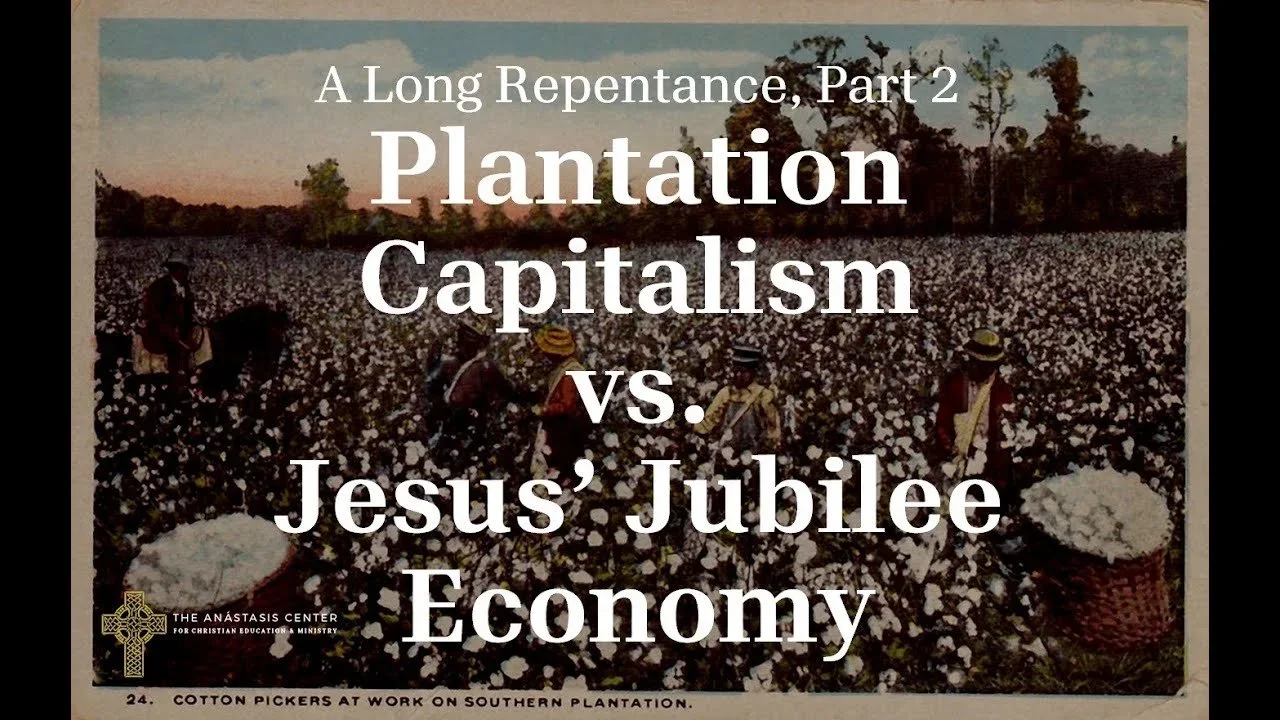
Her current teaching series traces the roots of extraction economics through scripture, history, and policy to ask: who does the system serve, and what does liberation actually look like? She understands high-control religious systems from the inside–which is a different kind of knowing than what one gets from a textbook.
>
*Performs & Leads
Hayley is a professional violinist with 25+ years of performance experience. She’s owned, operated, and managed private studios, both big and boutique. She currently serves as President of Youth Orchestras of Central Virginia.
Hayley understands what it costs to build and lead institutions — and what gets lost when the humans inside them are treated as resources.